



Harlem gets $35M fix for flooding and clean water, Mamdani leads the charge

Share
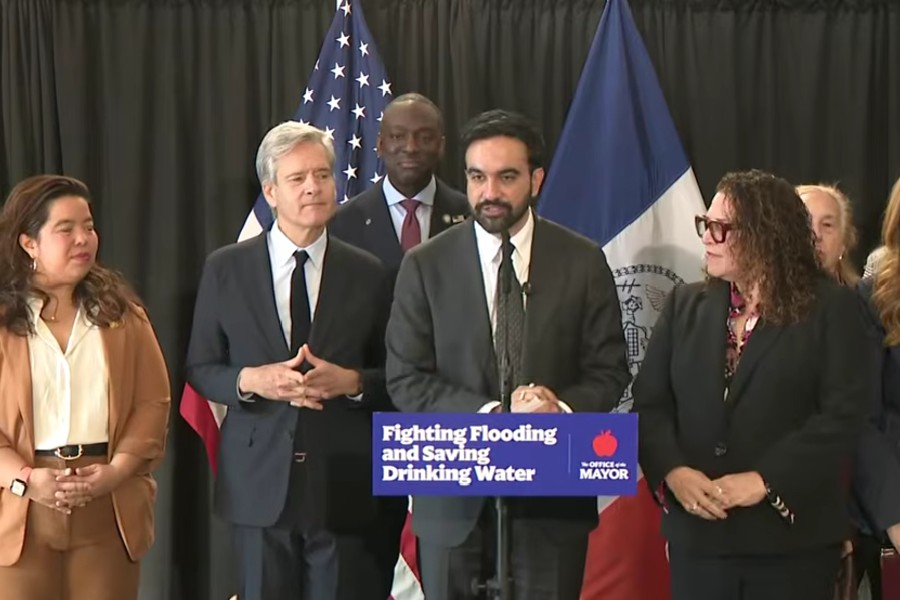
© harlemworldmagazine.com
📌 Infrastructure Justice Demands
Mayor Mamdani and Harlem’s people are getting $35.7 million worth of receipts to address flooding and protect clean water, the kind of investment that makes you ask why systemic neglect is the default setting for Black neighborhoods unless leaders like Mamdani push back. This is Harlem demanding infrastructure justice, not a ‘favor.’
Why The Community Cares
Flooding and water mismanagement hit Black and marginalized communities hardest, and Harlem’s leadership is turning neglect into dollars for change.
🌍 Harlem’s Watershed Moment
$35 million for clean water and flood prevention in Harlem sounds like a win on paper. ” But here’s the thing. If you live in Harlem, especially East Harlem, you know this isn’t just infrastructure, it’s about survival. This neighborhood’s been drowning for years, and not just from rainwater. It’s systemic neglect that floods a community with so much history and resilience, yet so little respect.
Let’s start with the basics. Flooding in Harlem isn’t just an inconvenience; it’s a reminder that the city has treated Black and Brown communities like an afterthought for decades. When storms hit, water pools in streets that were never prioritized for proper drainage. Basements fill up, belongings are destroyed, and families are left to fend for themselves. East Harlem, where many are already living paycheck to paycheck, bears the brunt of it. And if you’ve lived there long enough, you know that this neglect isn’t accidental. It’s baked into the system. It’s the same story with clean water, lead pipes, busted mains, outdated infrastructure. These are choices the city makes when it decides who gets the shiny new upgrades and who gets left behind.
And now Zohran Kwame Mamdani, Harlem’s mayor, is front and center for this project. Look, Mamdani talks a good game about the people, and to his credit, he’s pushed for progressive policies in the past. But let’s not ignore the fact that this $35 million fix isn’t just his initiative. It’s a collaboration with Governor Kathy Hochul and Central Park Conservancy’s Betsy Smith. What do they know about Harlem’s realities? Hochul’s focus on developers and donors often leaves marginalized communities out of her political calculus.
These are choices the city makes when it decides who gets the shiny new upgrades and who gets left behind. And now Zohran Kwame Mamdani, Harlem’s mayor, is front and center for this project.
And the Central Park Conservancy? Their bread and butter is making sure wealthy Manhattanites have pristine views and manicured lawns, not fixing the infrastructure crises just a few blocks north. ” That’s not shade, it’s just facts.
The money is welcome, sure, but let’s not confuse this for a revolution. This project isn’t reparations for decades of neglect; it’s a band-aid. And you better believe it’s also a PR move. Harlem isn’t just Harlem anymore. Developers are circling, luxury condos are popping up, and the city sees dollar signs in every brownstone that can be flipped for Wall Street money. Flooding and bad water hurt property values, and nothing scares a developer more than a neighborhood that costs too much to fix. $35 million might sound like a lot, but in the world of city budgets, it’s pennies. It’s a calculated investment, not in the people who’ve lived here through it all, but in the future they’re trying to build without us.
So what do we make of all this? For Harlem, this isn’t just about water. It’s about power. Our power to demand more, to hold Mamdani accountable, and to remind the city that we’re not going anywhere. Don’t let the groundbreaking fool you into thinking the work is done. This project isn’t a gift, it’s overdue. And if they think $35 million is enough to fix all the ways Harlem has been flooded, they’re not listening to us. We’ve been swimming upstream for decades. ✊🏾
For Real Though…
Harlem finally gets a 35-million-dollar fix instead of 35 excuses about why clean water and flood prevention ‘take time.’ Maybe now folks upstream in policy circles can stop using Black communities as their drainpipe.


